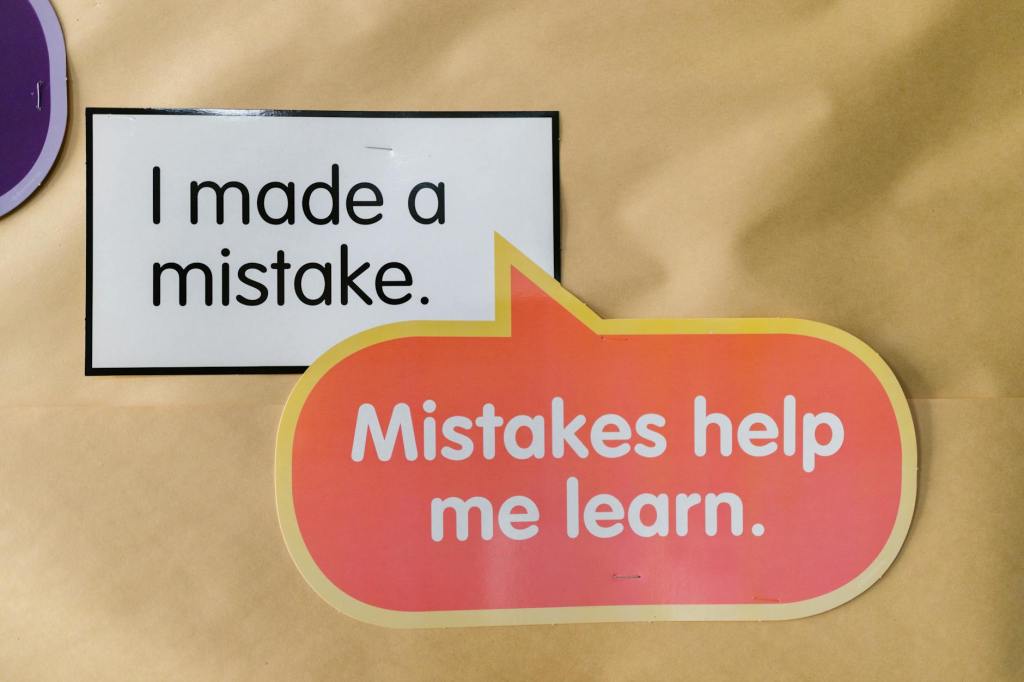
Every athlete knows the feeling: a missed shot, a false start, a fall on a routine. The sting of mistakes can stay with us long after the competition ends.
I’ve heard athletes say things like, “That error ruined everything,” or “My coach will never trust me again.” And I’ve been there myself. My last nationals as a 12-year-old gymnast, Denver, CO, 1990: I can still replay those errors in my mind, 35 years later!
But remember, mistakes don’t define you. How you respond to them does.
A growth mindset — the belief that skills can be developed through effort, learning, and persistence — helps us recover faster, stay confident, and keep moving forward.
What Is a Growth Mindset in Sports?
The concept of growth mindset comes from psychologist Carol Dweck, whose research showed that people who see abilities as developable tend to achieve more than those who see them as fixed.
For us, that means:
- Seeing mistakes as feedback, not failures
- Believing effort and practice lead to improvement
- Staying resilient through challenges
- Embracing the process of growth, not just the results
Why Mistakes Are Part of Mastery
Athletic mastery doesn’t come from getting it right the first time. It comes from showing up again after getting it wrong.
Mistakes can teach us:
- Awareness: What needs to be adjusted
- Resilience: How to get back up
- Focus: Where to direct energy next
- Perspective: One mistake doesn’t erase all the progress made
The path for every one of us will have errors at some point. Bumps. Detours. Holes. And they’re part of the road. It’s normal.
How Athletes Can Recover From Mistakes
Here are a few ways to bounce back with perspective and strength:
1. Pause Before Reacting
Take a breath. Notice your body. Give yourself a moment before spiraling into judgment.
2. Reframe the Story
Instead of: “I failed,” try: “I’m learning what to adjust.” Language matters — to yourself most of all.
3. Extract One Lesson
Ask: “What’s one thing I can take from this mistake that helps me next time?” Keep it simple, not overwhelming.
4. Move On With Intention
Set a clear next step: extra reps, a tweak in technique, a focus point. Then let the mistake go.
For Coaches: Helping Athletes Recover
Coaches, you can model growth mindset by:
- Normalizing mistakes as part of learning
- Using calm, specific feedback instead of harsh criticism
- Highlighting progress over perfection
- Encouraging athletes to focus on effort and adjustment rather than outcome alone
When coaches lead with growth, athletes feel safer to take risks. And risks are where growth happens.
Final Thought
Mistakes are not the enemy. Think of them teachers along the way.
This is not to say we won’t feel intense emotions like disappointment, sadness, frustration, desperation when mistakes happen. A growth mindset doesn’t mean ignoring feelings. It means learning to walk through it with resilience, perspective, and self-compassion.
This season, instead of asking, “How can I avoid mistakes?” try asking:
“How can I recover and grow when mistakes happen?”
Stay Connected
If you’d like more reflections on resilience, growth, and mindset in athletics, subscribe to Athlete Illuminated or explore resources at lcollinslcsw.com.
In solidarity,
Laura
Reflection Prompts
Take 5 minutes after practice or competition to reflect:
- What was one mistake I made today, and what can it teach me?
- How can I shift my self-talk to sound more encouraging after a tough moment?
- What helps me move forward instead of getting stuck on errors?
Note: This and every Athlete Illuminated post is for educational purposes only and not a replacement for mental health treatment. If you are in urgent need of mental health support, please call 9-8-8. If you are experiencing an emergency, please call 9-1-1 or go to your nearest emergency room. For ongoing mental health concerns, consider seeking professional support or therapy.


 The Athlete Psychotherapist
Leave a comment