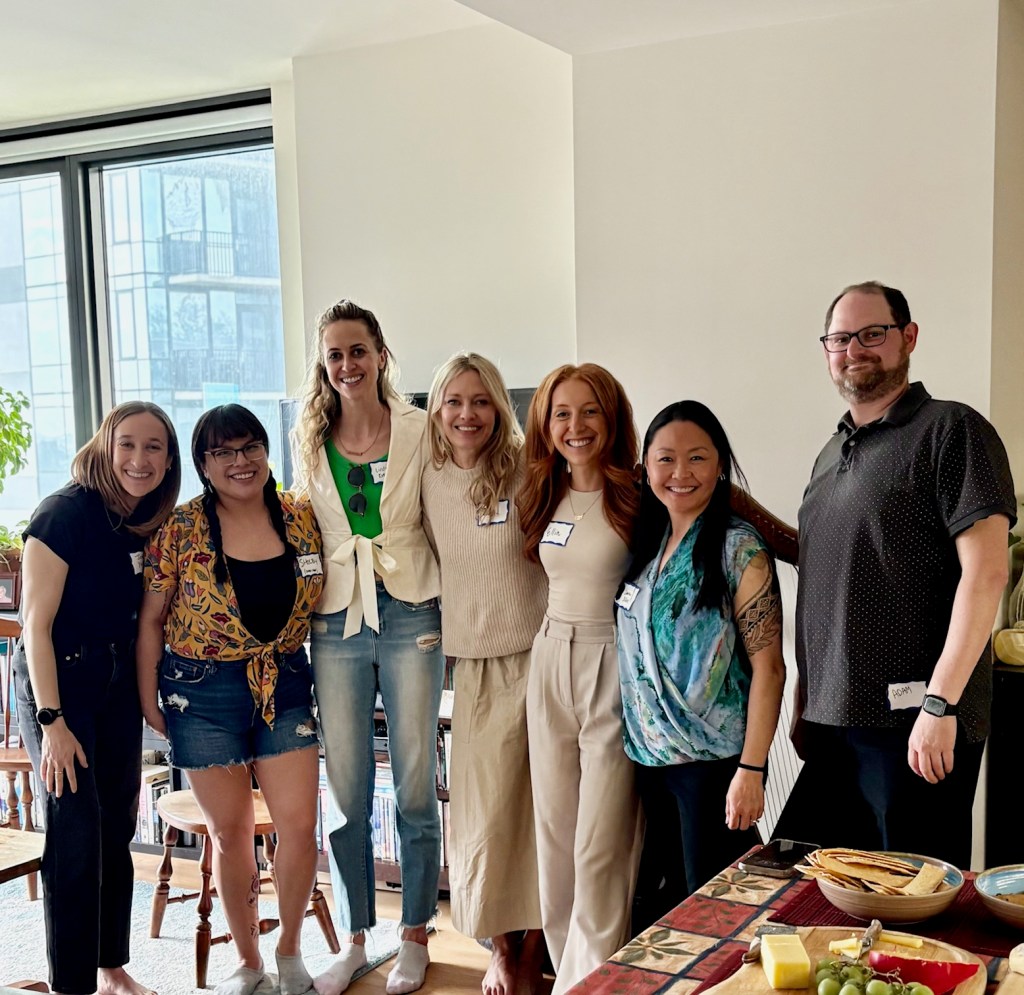
We just passed the 1st year anniversary of the founding of The Athlete Community Clinicians, a wonderful group of trauma-informed, whole-athlete-centered clinicians and providers working with athletes and high performers. We may be headquartered in NYC, but we have friends all over the world.
As any anniversary will make a person do, I’ve been reflecting.
I’ve met with so many incredible providers in the last year. And I’ve been struck by (but not surprised) the number of them who have found themselves working with high-performing people without ever having been formally trained to do so. Not that formal training is required. Some people just have the life experience, vibe, and personality that bring comfort and support to people.
These clients may be athletes, performers, executives, entrepreneurs, elite students, or individuals in other high-demand environments where achievement (aka winning) and identity are tightly intertwined.
On the surface, the work can look familiar.
Anxiety.
Burnout.
Relationship strain.
Questions of purpose or direction.
Mental blocks.
But underneath it all, something else is stirring.
High pressure performance environments shape people in very specific ways.
Achievement may mean “acceptance.”
Rest can be seen as selfish or lazy.
Injury or retirement can destabilize not only routines, but identity itself.
Relationships may revolve around expectation, evaluation, or performance outcomes.
For care providers, this can create a unique kind of complexity. We may find ourselves holding questions like:
- How do I support this client’s drive without reinforcing the belief that their value is tied only to performance?
- What happens when the systems around them (teams, organizations, families) continue to reward martyrdom or self-sacrifice?
- How do we navigate moments when performance pressure intersects with trauma, identity, or attachment dynamics?
- Where is the line between mental performance and mental health?
These are not questions that can always be answered through technique alone. They require reflection, curiosity, and often the opportunity to think together with other clinicians who understand the landscape of high-performance culture.
And yet, many clinicians doing this work are doing it alone.
For clinicians, traditional training teaches diagnosis, treatment planning, and evidence-based interventions. But not every discipline talks about the environments that shape our clients’ sense of self, or the cultural systems that define success, worth, and belonging.
(This is when I shout out to social work…our perspective of “person-in-environment” is what I think makes us so special to the sports world!)
When working with high-performing clients, those environmental systems must be considered: family, friends, school, work, sport, program, sport culture and attitude, sport history.
This is part of what makes the work both meaningful and demanding. It asks clinicians to think not only about individual psychology, but about the broader contexts in which performance, identity, and pressure intersect.
It also asks clinicians to stay connected to their own internal compass — something that can be difficult when the surrounding culture prizes results above all else.
For many clinicians, the most helpful support is not another training or set of techniques.
It is the opportunity to pause, reflect, and think together.
To explore cases with colleagues who understand the terrain.
To name the tensions that arise in these unique, high pressured places.
To deepen clinical instincts through conversation and differing perspectives.
Spaces like this are surprisingly rare.
I can’t tell you how many times I heard some version of:
“I feel like I’m in a silo.”
Or,
“I don’t know who I can trust — we’re all trying to build our practices.”
So, in response to many of these conversations over the past year, I’m opening a Spring Consultation Cohort for clinicians working with high-performing clients.
The intention is simple: to create a thoughtful space where clinicians can discuss cases, explore the dynamics that arise in performance cultures, and connect with others doing similar work.
A place to be yourself.
Supported by a clinician who not only understands what it means to be an athlete, a clinician, and a parent to athletes, but a person whose passion it is to support clinician development and community.
If this kind of space would be helpful in your work, you can learn more about the Spring Consultation Cohort on the
Clinician Consultation & Training page of my website:
In solidarity,
Laura
Reflection Prompts
If you are a clinician working with high-performing clients, you might take a few minutes to reflect:
• What kinds of performance cultures show up in the work I do?
• Where do I feel most confident in supporting high-performing clients?
• Where do I still feel curious, uncertain, or alone?
• How do I stay connected to my own internal compass when performance pressure is high in the environments around my clients?
• What kinds of professional spaces help me think more clearly about my work?
Note: This and every Athlete Illuminated post is for educational purposes only and not a replacement for mental health treatment. If you are in urgent need of mental health support, please call 9-8-8. If you are experiencing an emergency, please call 9-1-1 or go to your nearest emergency room. For ongoing mental health concerns, consider seeking professional support or therapy.
Photo above is of the 1st in-person Athlete Community Clinicians group, Spring 2025. Seven founding members: Jamie Yasgur, Shelby Remillard, Lindsay Krasna, Maggie Vaughan, Ellin Gurvitch, Laura Collins, and Adam Lyons.
 The Athlete Psychotherapist
Leave a comment