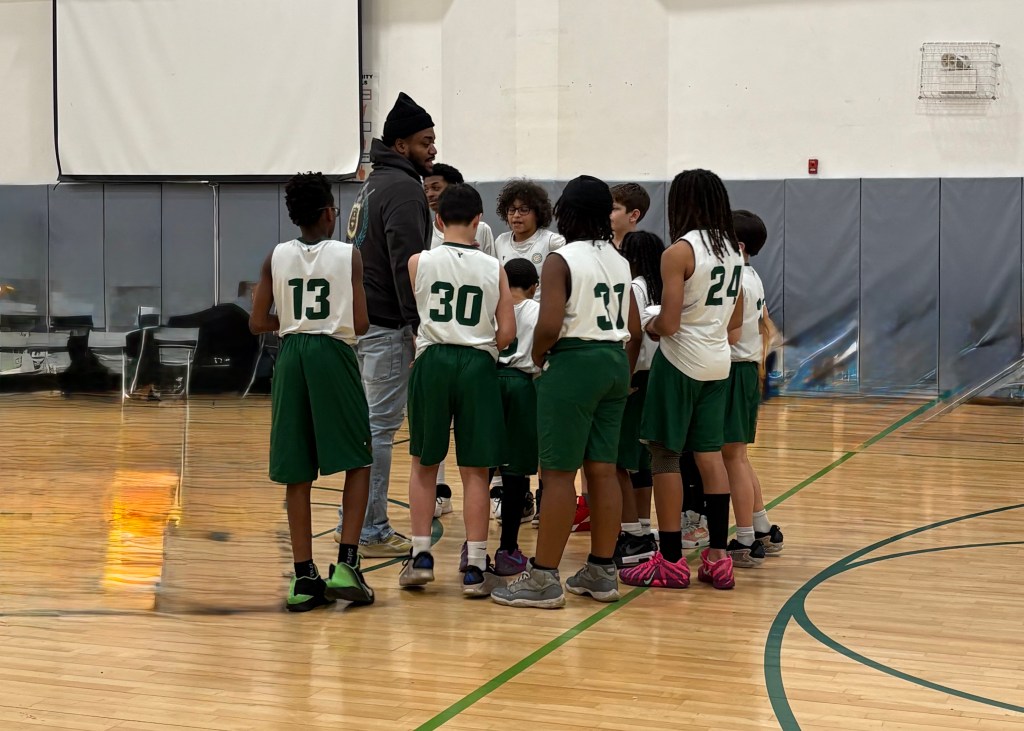
There are moments in sport when the emotional volume rises.
Olympic upsets.
Unexpected losses.
Breakthrough wins that arrive alongside someone else’s heartbreak.
Seasons where effort is high, stakes are higher, and outcomes are final.
At the same time, many athletes are moving through their own highly competitive seasons — tryouts, playoffs, championships, roster cuts — where there will be winners and losers, relief and disappointment, pride and grief.
And in the middle of all of it are the people holding athletes.
Coaches.
Clinicians.
Athletic trainers.
Parents.
Staff.
Administrators.
This post is for you.
The Weight No One Sees
Supporting athletes often means holding contradictions at the same time.
Celebrating effort even when results fall short.
Encouraging belief without offering false reassurance.
Staying steady when emotions run high.
Making room for disappointment without letting it define someone’s worth.
It means absorbing frustration that isn’t always yours.
Witnessing grief that doesn’t have a neat ending.
Holding silence when there are no right words.
This is not light work.
And much of it happens quietly — without acknowledgment, without pause, without a place to put what it stirs up in you.
Why This Season Can Feel Especially Heavy
During moments like the Olympics — or any high-stakes competitive season — outcomes are public and irreversible.
Someone advances.
Someone doesn’t.
Dreams are realized.
Others are deferred or end.
Athletes feel this deeply.
And so do the people who care for them.
You may find yourself holding:
- your own reactions to outcomes
- concern about how an athlete is coping
- pressure to say the “right” thing
- uncertainty about when to push and when to pause
All while being expected to stay composed, encouraging, available, and professional.
That emotional labor accumulates.
Caring Deeply Is Not the Same as Carrying Everything
One of the most important distinctions I see in my work is this:
Caring for athletes does not mean carrying all of their emotions, outcomes, or futures on your own.
And yet, many people in support roles have been conditioned to do exactly that.
Especially in high-performance environments, where:
- responsibility feels personal
- results are moralized
- support roles quietly slide into self-sacrifice
Over time, this can lead to emotional fatigue, second-guessing, and depletion — not because you don’t care enough, but because you care deeply.
When You’re Holding More Than You Realize
You might notice the weight showing up as:
- replaying conversations long after they end
- feeling responsible for how an athlete is feeling
- questioning whether you did “enough”
- feeling emotionally flat or irritable after intense moments
- struggling to fully disengage, even when the day is over
What you’re noticing isn’t a failure of skill.
It’s the natural weight of showing up for others in moments that matter.
Support for the Supporters Matters
Athlete care doesn’t happen in isolation.
It is shaped by:
- the nervous systems of the people around athletes
- the emotional capacity of caregivers
- the presence (or absence) of spaces to reflect, process, and recalibrate
When supporters are resourced, athletes benefit.
When supporters have places to think and breathe, care becomes steadier and more ethical.
When supporters are allowed to be human, systems become more sustainable.
This isn’t about doing less for athletes.
It’s about not doing it alone.
A Gentle Reframe
If this season feels heavy for you, consider this:
You are not failing at support.
You are responding to a moment that asks a lot of everyone involved.
There is wisdom in noticing the weight —
and compassion in tending to it.
Reflection Prompts
For those supporting athletes during high-stakes seasons:
- What feels heaviest in my role right now?
- Where might I be carrying responsibility that isn’t mine alone?
- What helps me stay present without becoming depleted?
- Who or what supports me when outcomes are hard?
These aren’t questions to rush.
They’re meant to be held.
A Quiet Invitation
If you’re holding athletes through moments like this and find yourself wishing for a place to think, reflect, or recalibrate — that’s the kind of work I do alongside coaches, clinicians, parents, and organizations.
Not to fix or correct.
But to offer space for shared reflection, language, and support — especially during seasons that ask a lot.
In solidarity,
Laura
Note: This and every Athlete Illuminated post is for educational purposes only and not a replacement for mental health treatment. If you are in urgent need of mental health support, please call 9-8-8. If you are experiencing an emergency, please call 9-1-1 or go to your nearest emergency room. For ongoing mental health concerns, consider seeking professional support or therapy.
 The Athlete Psychotherapist
Leave a comment