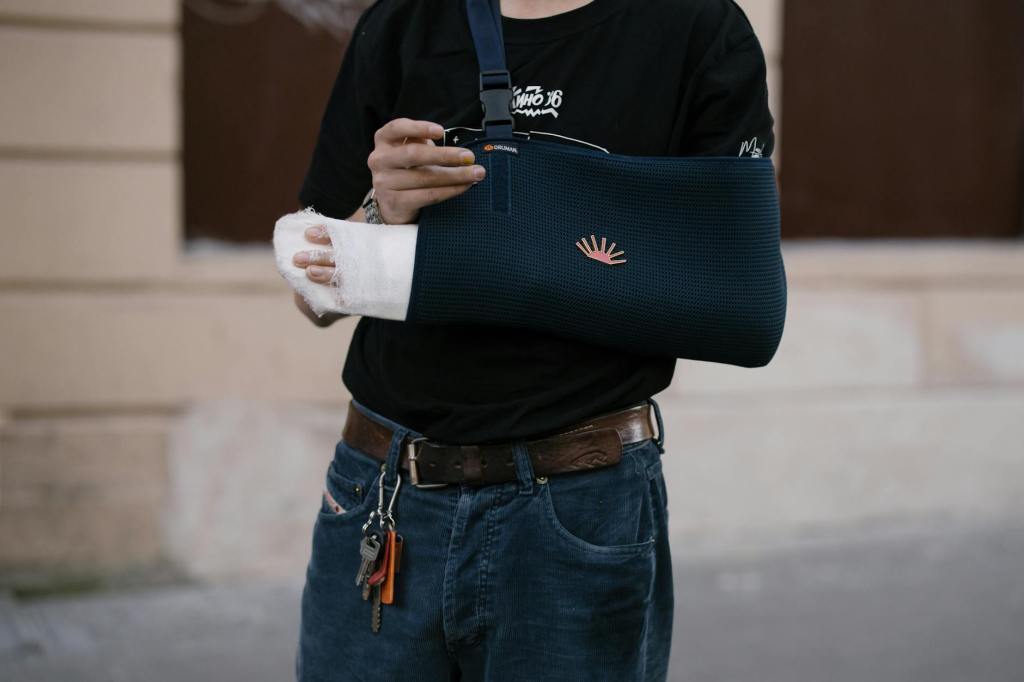
Injuries don’t just affect the body — they shake the heart, disrupt routines, and challenge the core of who an athlete believes themselves to be.
I’ve had athletes ask me:
“If I can’t compete, then who am I?”
“What if I’ve lost my chance?”
“What if I don’t get it back?”
“What if… after all this… I don’t even want to go back?”
Some are in shock — a sheet of numbness over their face.
Some are in tears.
Some are angry.
And eventually, every one of them moves through all of these feelings. Sometimes in intentional ways, like journaling or talking with me. And sometimes in splashes of emotion that catch them off guard — like walking home from a competition where they sat on the sidelines, cheering on teammates while wishing they could be out there too.
May I remind you,
You are always an athlete.
In healing. In transition. In retirement.
Not because of what you do — but because of who you are, and who you’ve become through sport.
Why Injury Can Challenge Identity
Athletes often develop a strong sense of self through performance, belonging, and achievement. When that rhythm suddenly stops, it can feel like the ground has shifted beneath them.
Injury can bring:
- Loss of routine
- Fear about the future
- Grief over missed opportunities
- Anxiety about returning
- Worry about being replaced
- Uncertainty about desire — “Do I even want to go back?”
It’s not “just an injury.”
It’s a disruption to identity — and direction.
And both deserve care, curiosity, and patience.
A Rehab Mindset: Healing the Whole Athlete
Recovery isn’t only physical. It’s a reconstruction of confidence, identity, and connection — and sometimes a redirection too.
Here are supportive mindset shifts to hold along the way:
1️⃣ Honor the Emotional Reality
Uncertainty, fear, frustration — and yes, even doubt about returning — are all normal.
There is no “right” emotional timeline.
2️⃣ Redefine Progress
Healing rarely moves in a straight line.
Small improvements count.
So does rest.
3️⃣ Stay Connected to Team + Community
Your role may shift — but connection can stay.
You don’t have to be playing to belong.
4️⃣ Explore the Self Beyond Sport
You are more than your performance. Explore other parts of yourself:
– What interests to you have outside of sport?
– What do you enjoy about those things?
This time can be an opportunity to build up all the amazing parts of you…and engage your WHOLE self.
For Coaches & Parents: Your Support Shapes Recovery
You can help athletes feel valued by:
- Checking in about their whole self
- Naming strengths unrelated to sport
- Protecting them from pressure to rush
- Making room for honest conversations about identity and desire
A steady reminder can make a world of difference:
“You matter here, no matter what.”
For Teammates: Your Presence Is Powerful
Showing up matters more than the perfect words.
Ways to support an injured teammate:
- Include them — group chats, team huddles, roles beyond playing
- Check in — a simple “thinking of you” goes far
- Celebrate progress — even tiny PT wins
- Honor their feelings — whatever they are
Being a good teammate continues — even when the game looks different.
Final Thought
Injury may pause performance — but it does not pause identity, purpose, or potential.
This moment won’t define an athlete’s story.
How they grow through it will.
This week, if you’re recovering, try asking:
“What do I need — emotionally and physically — to move forward with integrity and self-compassion?”
And remember:
Your identity as an athlete is not conditional.
Stay Connected
If you’re navigating injury, uncertainty, or identity shifts, you don’t have to do it alone. Subscribe to Athlete Illuminated or explore support resources at lcollinslcsw.com.
In solidarity,
Laura
Reflection Prompts
Take a few gentle minutes this week to explore:
- What parts of me remain strong and true, even while I’m healing?
- How can I acknowledge a small win in rehab today — physically or emotionally?
- What feels meaningful or energizing to me right now — inside or outside my sport?
Note: This and every Athlete Illuminated post is for educational purposes only and not a replacement for mental health treatment. If you are in urgent need of mental health support, please call 9-8-8. If you are experiencing an emergency, please call 9-1-1 or go to your nearest emergency room. For ongoing mental health concerns, consider seeking professional support or therapy.
 The Athlete Psychotherapist
Leave a comment