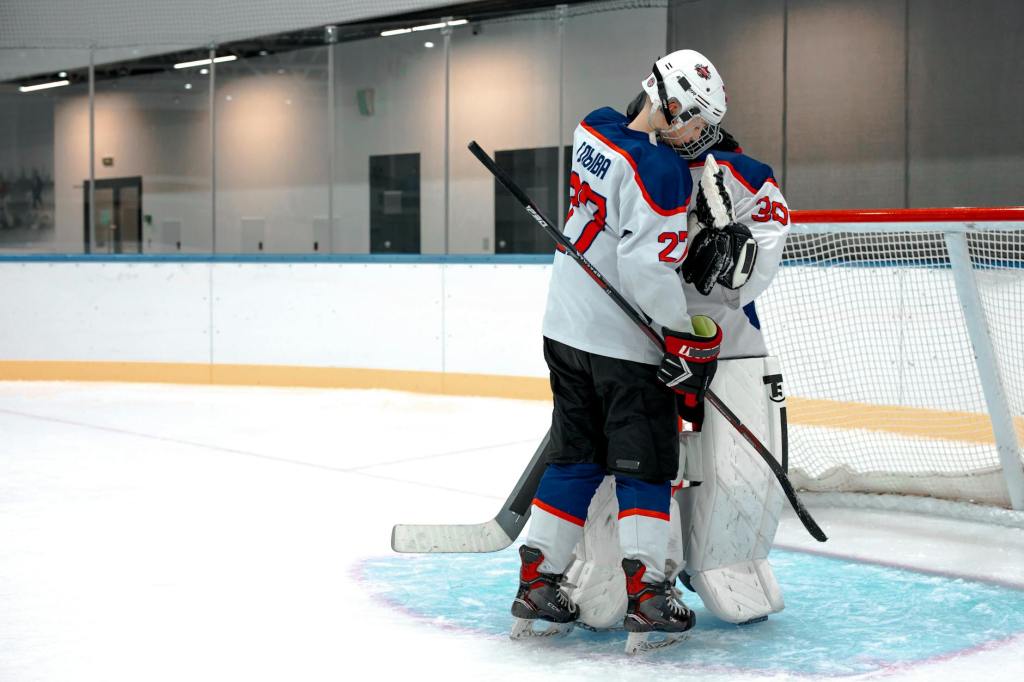
Mental health IS health. Just as physical health requires care and upkeep, so does your mental well-being.
Athletes are trained to push through pain, stay focused, and show mental toughness; however, that can make it harder to recognize when someone is silently struggling. Whether it’s stress, depression, anxiety, or the mental toll of competition, your teammate may be facing a challenge you can’t see.
Here’s how to recognize signs of mental health issues in athletes, and what you can do to help as a supportive teammate.
Top Signs a Teammate May Be Struggling with Mental Health
Athlete mental health symptoms don’t always look the same, but common red flags include emotional, behavioral, and physical changes. Look for these mental health warning signs in athletes:
🧠 Emotional or Behavioral Changes
- Withdrawing from the team or isolating socially
- Sudden drop in performance or motivation
- Unusual mood swings or outbursts
- Skipping practices or showing up late
- Talking about quitting or feeling like a failure
📉 Signs of Depression or Anxiety in Athletes
- Frequent self-criticism or negative self-talk
- Seeming overwhelmed, irritable, or constantly tired
- Trouble concentrating or staying engaged during games or life outside
- Expressing hopelessness or saying things like “I don’t care anymore”
💤 Physical Changes or Fatigue
- Constant tiredness or low energy
- Insomnia or sleeping too much
- Changes in eating habits or noticeable weight fluctuations
- Complaints of vague aches, pains, or lack of motivation
These signs could point to athlete burnout, sports-related anxiety, depression, or other mental health challenges common in student-athletes and competitive sports.
How to Support a Teammate with a Mental Health Issue
You do not have the answers to their problems. You are not a mental health professional. In fact, it is NOT ever your responsibility to make another person happy (and vice versa). Every person is responsible for their own healing and growth.
Instead…being a good teammate means recognizing when something’s wrong and choosing to show up with care. Here’s what you can do:
1. Start a Private, Supportive Conversation
Use empathy and avoid judgment. You might say:
- “I’ve noticed you’ve seemed different lately. Do you want to talk?”
- “You don’t have to go through this alone. I care about you.”
This opens the door for connection and breaks the stigma around mental health.
2. Listen Without Trying to Fix It
Let your teammate share, and listen fully. Avoid clichés like “just shake it off” or “you’ll be fine.” Instead, respond with validation:
- “That sounds really hard. I’m glad you told me.”
- “You don’t have to figure it out by yourself.”
Validation is key – especially in high-pressure sports environments where vulnerability is often hidden and considered “weak.”
3. Encourage Professional Mental Health Support
Just like seeing the trainer when you sustain an injury, make it normal to seek help for mental health:
- Suggest reaching out to a coach, athletic trainer, or psychotherapist
- Offer to go with them or help them find resources
- Remind them that mental wellness is part of peak performance
4. Keep Them Connected
Even if they’re not at 100%, keep inviting them to team events, workouts, or hangouts. A sense of community and belonging can make a huge difference in mental health recovery for athletes.
5. Know When to Get Help
If you think your teammate might be in danger of hurting themselves, it’s important to speak to a trusted adult, such as a coach, counselor, or mental health professional. You’re not “snitching,” you’re saving a life.
Why Athlete Mental Health Matters More Than Ever
From youth sports to elite college athletes and pros, mental health awareness in sports is (finally) more recognized as essential. Let’s provide a space of healing for those who have suffered, and complete our training and development through checking-in with ourselves and each other – deepening whole-person physical, mental and emotional understanding and compassion within our community.
Being a great teammate isn’t just about what happens on the field. It’s about being someone who cares enough to notice, speak up, and stand in solidarity.
If you have further questions, or would like help in bringing mental health awareness to your program, contact me. I’m here to support you.
In solidarity,
Laura
If you or a teammate are in crisis or need someone to talk to, call or text 988 (U.S. Suicide & Crisis Lifeline). Support is available 24/7.
This post is for informational and supportive purposes only and is not a substitute for professional mental health. If you or someone you know is struggling, reach out to a licensed mental health provider or call 9-8-8.
 The Athlete Psychotherapist
Leave a comment